The language collectors
People who wrote down how others speak, and argued that it was worth keeping.
- 01
 $35
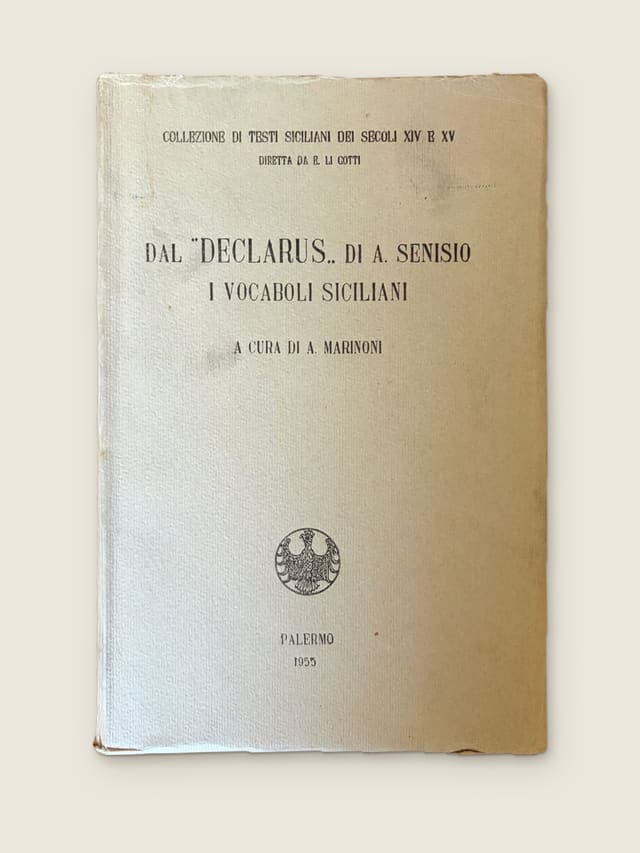
A medieval Sicilian word-list, edited in Palermo
Angelo Senisio’s medieval Declarus preserves evidence of historical Sicilian vocabulary, and Augusto Marinoni edited its Sicilian words in 1955.
Italian dialects · Lexicography
- 02
 $49
How to read Welsh before it was modern
John Strachan’s concise introduction is a point of entry into the historical forms of Welsh that readers meet in older manuscripts and literary works.
Welsh language · Grammar
- 03
 $125
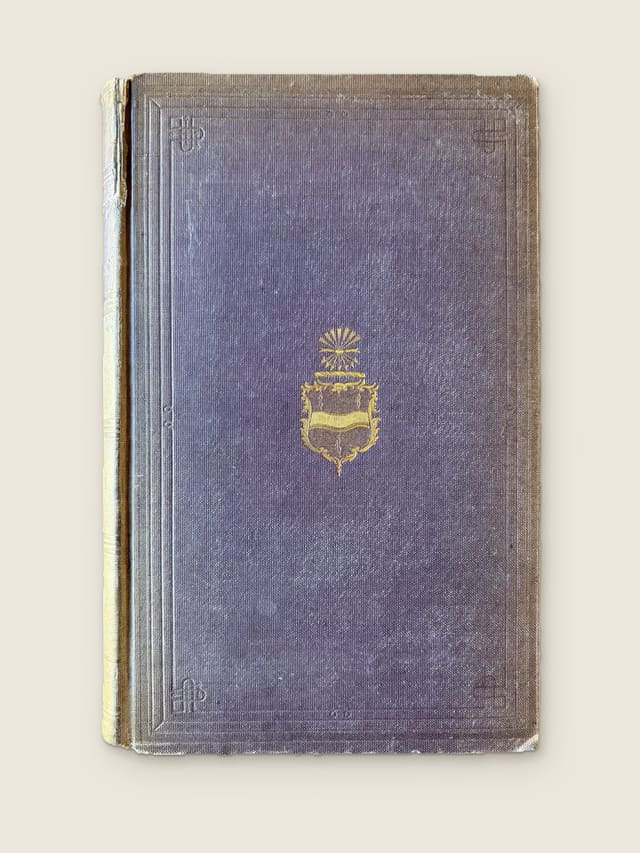
A Boston lawyer’s collection of remarkable surnames, and where they came from
Nathaniel Ingersoll Bowditch traced derivations, humor and local histories; Charles Dickens owned author-inscribed copies of the 1857 and 1858 editions. This is the enlarged second edition of 1858.
Surnames · Genealogy
- 04
 $120
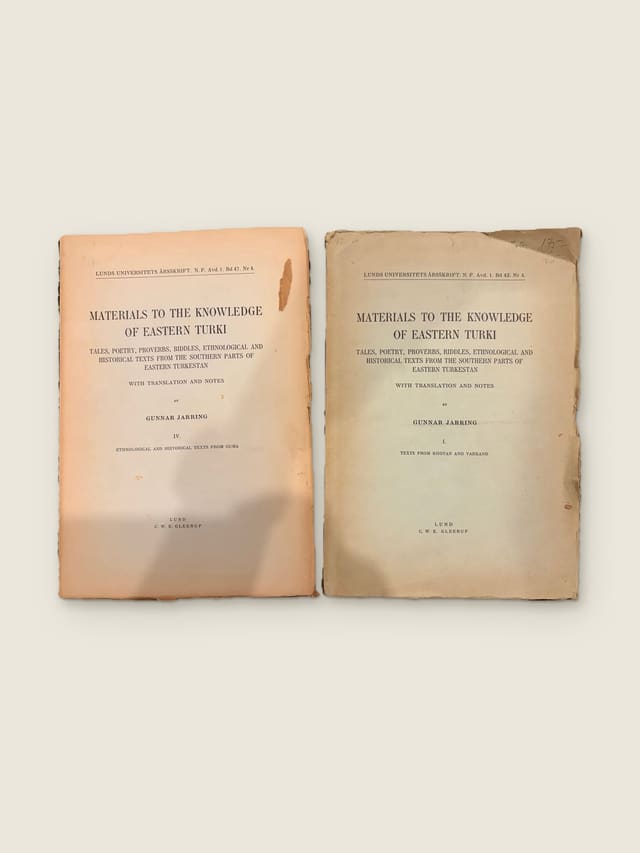
Uyghur stories and histories, recorded and translated by Gunnar Jarring, 1946 and 1951
Gunnar Jarring recorded texts in Khotan and Yarkand and historical narratives from Guma, with English translations, preserving Uyghur language and culture.
Uyghur linguistics · Eastern Turkestan
- 05
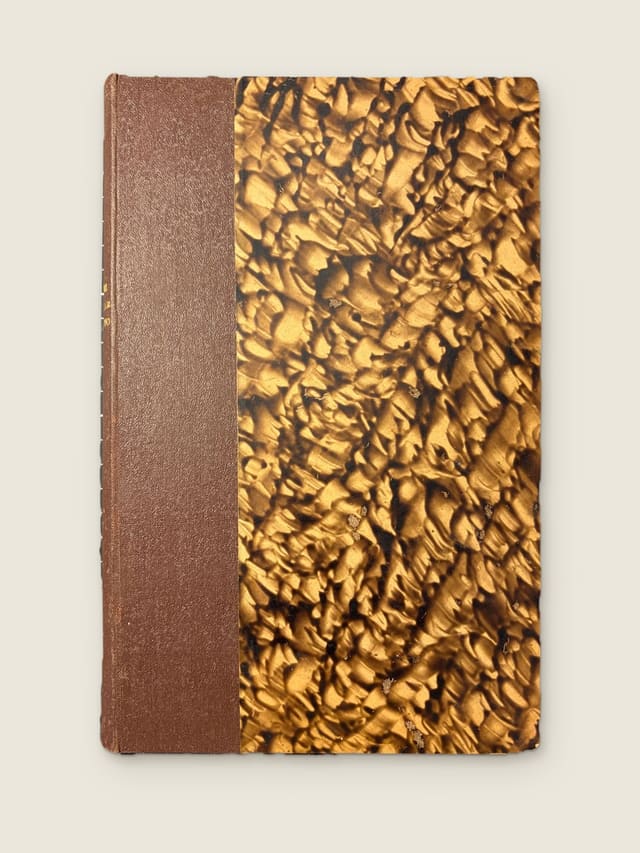 $50
Reading a river valley through its place names
Silvio Pieri’s 1919 study of the Arno valley in Tuscany treats geographical names as evidence for settlement, linguistic change and local history.
Onomastics · Historical linguistics


A dictionary is an argument that a way of speaking is worth keeping. The people who write them are rarely neutral: they choose which words count, where they came from, and how they should be spelled.
Frédéric Mistral’s Provençal–French dictionary belongs to the Félibrige movement’s effort to sustain Occitan identity. Giovanni Galvani’s glossary of 1868 asks where the words of Modena come from. Angelo Senisio’s medieval Declarus preserves Sicilian vocabulary, edited and published in 1955, and an introduction to early Welsh opens the language of old manuscripts to modern readers.
Each is a different act: preserving, tracing, standardizing, teaching. They share a conviction that speech can be set down and kept, and each copy in this collection is proof that somebody tried.
How it is assembled. Records whose subjects include lexicography, historical linguistics, dialects, onomastics, philology, grammar or a named language study. It is a rule over the records, so it changes when the inventory does. 5 articles now.